

Undergraduate student life at the Munk School is built around cohort-based learning and strong opportunities to connect academic study with real-world global issues. Across programs, students learn in environments that emphasize discussion, collaboration, and close engagement with faculty and peers.
A defining feature of the academic experience is curricular experiential learning, where students engage directly within their courses through research projects, simulations, case competitions, policy labs, and other applied learning activities that translate classroom ideas into practical understanding.
In addition to these in-class experiences, students also participate in a wide range of co-curricular opportunities outside the classroom. These include mentorship programs, student-led initiatives, academic events, and informal gatherings that bring together peers from across programs and disciplines.
Together, these curricular and co-curricular experiences foster a tight-knit and intellectually engaged undergraduate community where students develop both strong analytical skills and a deep connection to global affairs and public policy.
Explore Student Life

Internships, study abroad, research placements, mentorship, career development and more.

Explore Student run and led initiatives through program-specific societies, student-led journals, and more.

In-course awards, research prizes, internship funding, and program specific scholarships.
Munk School undergrads don't wait until after graduation to do real work
Every undergraduate program at the Munk School includes courses where you work with actual organizations on projects that matter to them. That's build into the curriculum - See what's in your courses - experiential learning ⇢
Beyond the classroom, a full range of enrichment opportunities awaits. Travel, mentorship, independent research and career connections that begin before graduation.

Learning Outside the Classroom
Undergraduate programs at the Munk School offer international course modules, field schools and funded travel for research and field work.

Work with government agencies, NGOs and community organizations on real projects. Work with community partners like the Christie Refugee Welcome Centre, the International Drug Policy Consortium, and the United Nations (UN), building real tools for organizations tackling real problems.
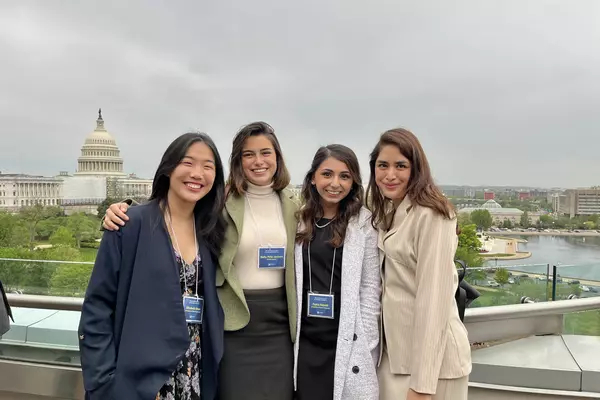
Short term travel courses that take you to another country. The Munk School uses experiential learning opportunities as part of their curriculum so you travel across borders and work on real projects.

Connect with your peers and feature your research on critical global themes to a broader audience through student journals initiative and the Undergraduate Research Symposium.

Scholarships like the Dr. David Chu Scholarship in Asia-Pacific Studies or the Joseph Wong Student Experience Fund support travel to the regions that students are studying. Funding is available so that financial barriers do not prevent students from participating.
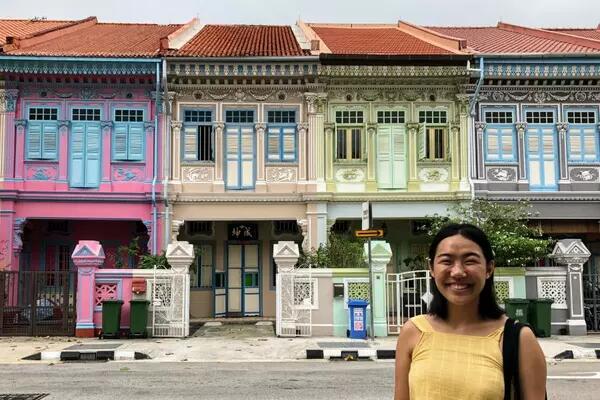
U of T has partner universities worldwide. Students choose a destination study there for a term or a year and the credits transfer toward their Munk School degree.

Wolf Scholars is a unique undergraduate opportunity that combines a full tuition scholarship with seminars at the Munk School, cohort travel, internships, and leadership development.
Student Leadership and Societies
Student leadership at the Munk School of Global Affairs & Public Policy is organized through program-based societies that represent undergraduate students and help build vibrant academic and community engagement within each area of study. These student-led groups coordinate events, foster peer connection, and create opportunities for leadership, mentorship, and professional development across the Munk School undergraduate community.
Together, these student leadership groups form the backbone of undergraduate engagement at the Munk School, supporting academic programming, student initiatives, and community-building activities across all programs.

Undergraduate Society of American Studies (USAS)
The student association whose purpose is to provide a resource for students in the American Studies.
President: Emmanuel Pasternak

Peace, Conflict and Justice Society (PCJ)
Representing the Peace, Conflict and Justice program at the Munk School.
Co-Presidents: Mahika Varma and Lauren Thomas

Contemporary Asian Studies Student Union (CASSU)
Representing the Contemporary Asian Studies program and enhances students’ interests for the region.
Co-Presidents: Calleigh Pan and Rie Aiyama

Undergraduate Public Policy Students’ Association (UPPSA)
The official student body government for the Public Policy & Governance Program
Co-Presidents: Amelia Hui and Natalie Oulikhanian
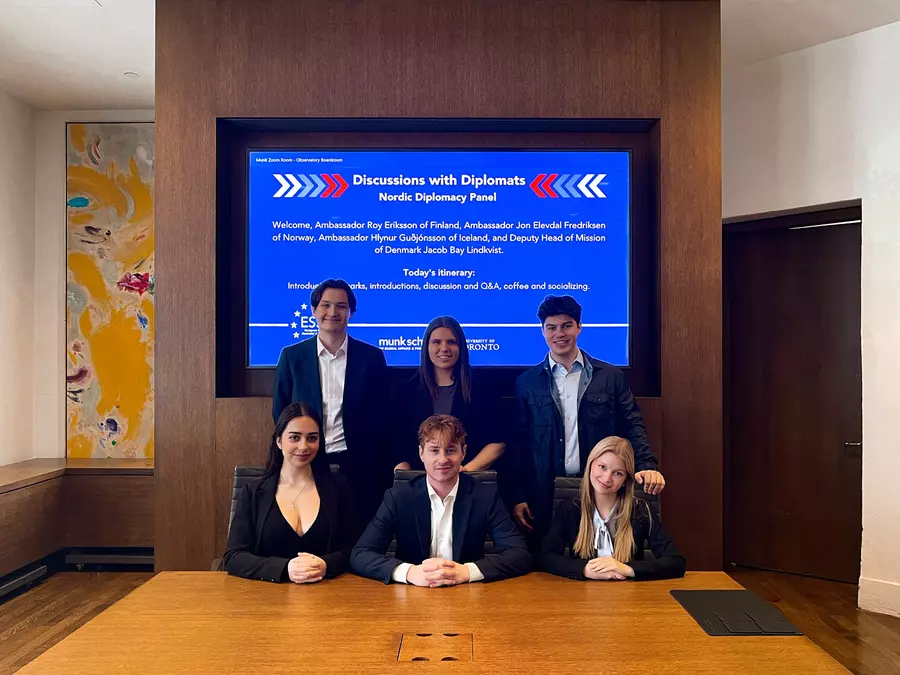
European Studies Students’ Association (ESSA)
The European Studies Students’ Association is the official student organization of the European Studies Program
President: Christine Huang
Student Journals
Each year, student associations across the Munk School publish peer-reviewed journals showcasing original research from their undergraduate community. These publications give students the opportunity to share their scholarly work with a broader academic audience, and to develop the writing, editing, and research skills that define a Munk education.

The Rapoport Journal is dedicated to celebrating the exemplary work of students whose scholarly interests are within related fields of peace, conflict, and justice (PCJ). The journal is an exploration of how governance acts not just through law, but also through bodies and features the work of many undergraduate students on subjects as diverse as gender clinics in Casablanca to the foreign policy apparatus of Washington.

Messages in the Media is the European Studies Students' Association's (ESSA) annual journal. Published since 2012, it features country reports and analyses of major political and socioeconomic developments across Europe and Eurasia, with a focus on media portrayal.

Vox Civitas is the official research journal of the Undergraduate Public Policy Students Association (UPPSA). It showcases the innovative research of Public Policy & Governance (PPG) students at the University of Toronto. Each annual issue is centered around a policy-driven theme, providing a platform for student scholarship that informs and inspires conversations about pressing policy challenges.

Synergy is an undergraduate journal founded at the Asian Institute that explores East, Southeast and South Asia through student writing and original photography. It features academic articles, book reviews, op-eds and current affairs reporting on the region’s political, social and economic developments, while also hosting events that reflect Asia’s growing global importance.

Published annually since 1996, the Undergraduate Journal of American Studies highlights exceptional undergraduate scholarship, giving students from all disciplines the opportunity to share original research and critical insights on American issues with a wider academic and intellectual community.